

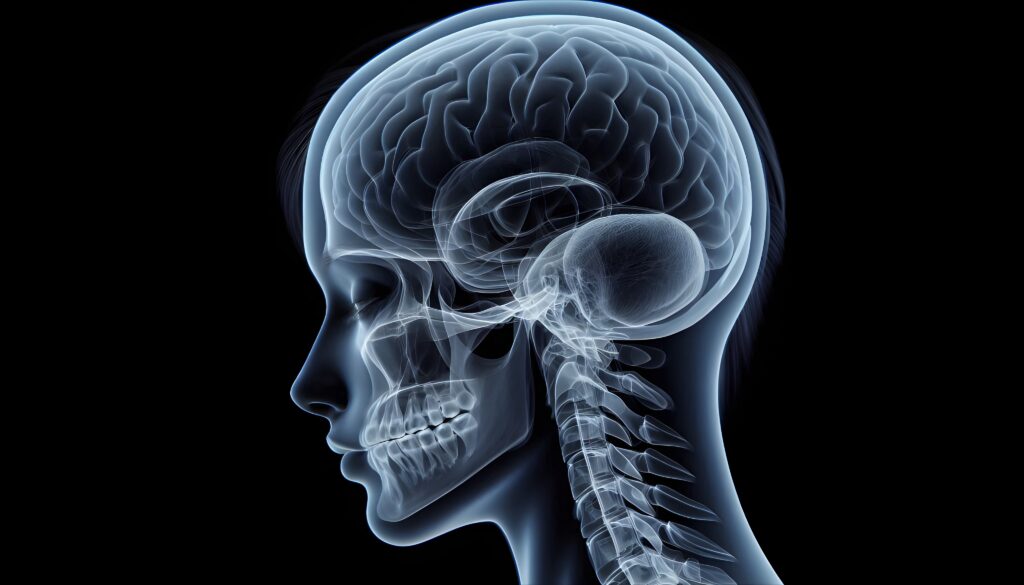
What Makes Traumatic Brain Injury Cases Legally And Medically Distinct From Other Personal Injury Claims?
Traumatic brain injury cases are unique due to the invisible nature of brain injuries, making them more challenging to diagnose compared to visible injuries like spinal cord injuries. Unlike injuries like cracked skulls or bleeding in the brain, brain injuries often require clinical diagnosis rather than relying solely on standard scans like MRIs or CAT scans. The clinical diagnosis of traumatic brain injuries involves specialized medical professionals such as neurologists and neuro radiologists, making these cases legally and medically complex.
What Are Some Symptoms Or Long-term Effects That May Indicate A Serious Traumatic Brain Injury?
Symptoms of serious traumatic brain injuries can vary but may include emotional changes, such as shifts from happiness to sadness, or unusual responses like exaggerated reactions to stimuli. Other symptoms can manifest as headaches, vision problems, aggression, fatigue, decreased libido, depression, and cognitive impairments. These symptoms can worsen over time, even in cases labeled as “mild” traumatic brain injuries, demonstrating the lasting impact of such injuries on individuals.
Why Do Insurance Companies Tend To Challenge Brain Injury Claims More Aggressively Compared To Other Injury Cases?
Insurance companies often challenge brain injury claims more aggressively because these injuries are difficult to prove due to their invisible nature and the unique medical evidence required for diagnosis. Insurance carriers may doubt brain injury claims as they are not always visible on standard imaging scans, and the interpretation of diagnostic studies like DTI imaging can be complex. Additionally, many lawyers may not fully understand the specialized medicine involved in proving brain injuries, leading insurance carriers to challenge these claims more vigorously.
What Types Of Medical Evidence Are Crucial In Proving A Traumatic Brain Injury In Court?
Proving a traumatic brain injury in court relies on a combination of clinical evaluations by neurologists, neurological testing, and diagnostic studies to confirm the diagnosis. Clinical evaluations involve neurological testing like the mocha or mantra assessments to assess cognitive function and other tests to evaluate senses and cranial nerve functions. Diagnostic studies such as CT scans, MRIs, DTI imaging, and QEEG testing further support the clinical findings and help confirm the presence and extent of brain injuries.
How Do Neurologists, Neuro Radiologists, And Other Experts Contribute To Explaining Traumatic Brain Injuries In Court?
Neurologists and neuro radiologists play a crucial role in explaining traumatic brain injuries in court by providing clinical evaluations, interpreting diagnostic studies, and offering expert testimony. Neurologists assess patients, conduct neurological tests, and communicate with family members to understand the impact of brain injuries. Neuro radiologists interpret diagnostic imaging studies like MRIs and DTI imaging to provide additional evidence of brain damage. By presenting a multi-faceted perspective through expert witnesses, lawyers can effectively explain the complexities of traumatic brain injuries to jurors.
What Factors Influence The Value Of A Traumatic Brain Injury Case, Particularly In Terms Of Settlement Value And Long-term Care Needs?
The value of a traumatic brain injury case is influenced by various factors, with key emphasis placed on the testimony of family members and disinterested witnesses who can provide objective accounts of the impact of the injury. Witness testimony that illustrates the significant changes in the injured person’s abilities or behavior can enhance the value of the claim. Additionally, the long-term care needs, lifelong limitations, and the ability to paint a vivid picture of the injury’s effects through witness accounts can significantly impact the settlement value of a traumatic brain injury case.
 Top
Top