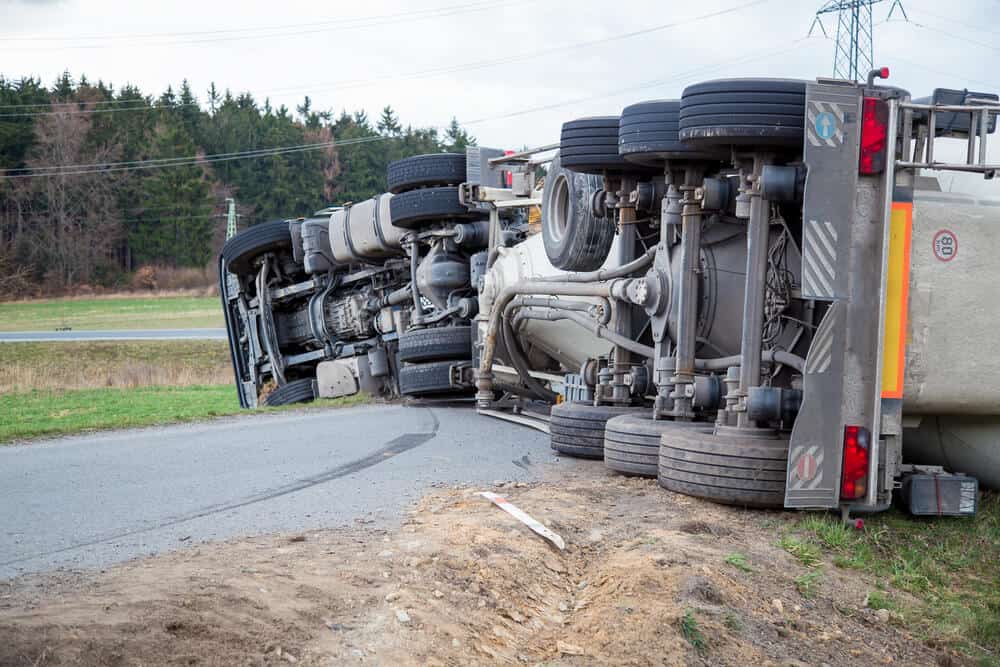
When 80,000-pound tractor-trailers collide with passenger vehicles, the resulting spinal cord injuries, traumatic brain damage, and wrongful deaths require West Palm Beach truck accident lawyers who immediately secure electronic logging device data, driver qualification files, and maintenance records before trucking companies claim routine document destruction.
Previous attorney treating your truck accident like a standard car crash? No investigation into federal hours-of-service violations or corporate negligence in hiring unqualified drivers?
We take over truck accident cases from clients who fired their previous attorneys, bringing immediate experience retention, Federal Motor Carrier Safety Administration regulation analysis, and trial preparation against corporate defendants who dedicate substantial resources to minimizing payouts.
Truck accidents demand attorneys who understand federal regulations, who retain trucking industry experts to analyze electronic control modules and driver logs, and who pursue corporate liability against companies whose profit-driven scheduling causes collisions.
Our West Palm Beach truck accident attorneys are available 24/7 and handle cases throughout Palm Beach County.
Why Choose Felice Trial Attorneys
Trucking companies dispatch investigation teams to accident scenes immediately, creating evidentiary records before victims secure legal representation. You need a truck accident attorney who is just as aggressive. There is a lot of work to be done.
Immediate evidence preservation: We send investigators to crash scenes within hours, photographing skid marks before weather erases them, documenting road conditions, interviewing witnesses, and issuing spoliation letters demanding preservation of electronic logging devices, driver qualification files, and black box data that federal regulations allow companies to overwrite after eight days.
Federal regulation violations documentation: Federal Motor Carrier Safety Regulations govern hours of service, vehicle maintenance, cargo securement, and driver qualifications—violations that constitute negligence per se in Florida courts but require attorneys trained in FMCSR interpretation to identify through logbook analysis and inspection reports.
Corporate liability pursuit: Truck drivers often lack sufficient assets to compensate catastrophic injuries, but trucking companies, freight brokers, maintenance contractors, and cargo shippers all bear potential liability through negligent hiring, inadequate training, or pressure to violate hours-of-service limits—defendants with commercial insurance policies ranging from $1 million to $5 million.
Trucking industry expert retention: We work with former commercial drivers, mechanical engineers who analyze brake failures, logbook auditors who identify hours-of-service manipulation, and accident reconstructionists who calculate truck speeds from electronic control module data.
Trial preparation against corporate defendants: Trucking companies litigate aggressively through law firms that defend hundreds of accident cases annually, using comparative negligence arguments and medical causation challenges—opposition that requires attorneys experienced in presenting complex federal regulation evidence to Palm Beach County juries.
24/7 response to time-sensitive evidence: Electronic logging devices overwrite after eight days unless preserved, surveillance cameras record over footage within weeks, and witnesses become difficult to locate—making immediate attorney involvement critical.
Our Verdicts & Settlements
Truck Accident Investigation Challenges We Systematically Address
Commercial trucking’s federal oversight and technical complexity create specific obstacles:
Black box and ELD data extraction
Federal regulations require electronic logging devices recording driver hours, vehicle speeds, and hard braking events—but trucking companies assert data privacy objections or claim retention periods expired before litigation commenced.
- We file emergency motions for inspection within days, retain computer forensic experts who download ELD and ECM data directly from trucks, and analyze electronic evidence for hours-of-service violations and speeding that contradict company accident reports.
Hours-of-service violation identification
Federal regulations limit commercial drivers to 11 hours of driving after 10 consecutive hours off-duty—but logbook falsification allows drivers to exceed these limits under company pressure to meet delivery schedules.
- We audit driver logs against fuel receipts, weigh station timestamps, and cell phone tower data showing actual routes versus what logbooks claim, exposing falsification patterns that demonstrate corporate knowledge of violations.
Driver qualification file gaps
Companies must maintain driver qualification files including commercial driver’s license verification, medical examiner certificates, and previous employer safety performance history—but companies cut corners through inadequate background checks.
- We subpoena complete driver qualification files immediately, cross-reference information against Federal Motor Carrier Safety Administration databases showing previous violations, and pursue negligent hiring claims when companies employed drivers with disqualifying conditions or suspended licenses.
Maintenance record deficiencies
Federal regulations require systematic vehicle inspections and documentation—but trucking companies defer maintenance to reduce costs, causing brake failures and tire blowouts that companies blame on unforeseeable mechanical failures.
- We retain mechanical engineers who inspect accident vehicles for maintenance-related defects and obtain fleet maintenance history demonstrating systematic disregard for federal safety standards.
Multiple defendant liability allocation
Truck accidents often involve owner-operators leasing to larger carriers, freight brokers who contract with multiple companies, and cargo shippers who overload trailers—creating complex liability questions.
- We investigate all commercial relationships through motor carrier authority searches and lease agreements, pursuing claims against every entity whose negligence contributed to the collision.
Who Should Hire Attorneys for West Palm Beach Truck Accident Cases
Certain factors make professional advocacy necessary:
- Catastrophic or permanent injuries: Spinal cord damage causing paralysis, traumatic brain injuries requiring lifetime care, multiple fractures needing surgical reconstruction, amputations, or severe burns all justify attorney involvement because trucking companies defend these high-value cases aggressively.
- Wrongful death cases: Fatal truck accidents create complex claims involving survival actions, wrongful death claims for survivors’ losses, and estate claims—requiring attorneys who understand Florida’s wrongful death statute.
- Clear federal regulation violations: Hours-of-service limits exceeded by multiple hours, drivers operating without valid commercial licenses, or trucks with out-of-service violations still on the road all create negligence per se claims provable through federal records.
- Multiple vehicle collisions: Truck accidents often create chain reactions involving several vehicles—where determining liability percentages and preserving claims against all negligent parties requires coordinated legal strategy.
- Disputed liability or comparative fault: When trucking companies blame victims for following too closely or failing to yield right-of-way, attorney investigation through accident reconstruction becomes necessary.
Previous attorney lacking trucking experience: Cases handled as standard car accidents without investigation into federal regulations or corporate liability indicate you need specialized representation.
Types of Truck Accidents We Handle in Palm Beach County
Commercial trucking’s operational risks create diverse collision scenarios:
- Underride accidents: Passenger vehicles sliding beneath truck trailers, causing catastrophic head and neck trauma—often resulting from inadequate underride guards or brake light failures requiring expert testimony about federal guard standards.
- Jackknife collisions: Trucks folding at the articulation point, blocking multiple lanes on I-95—typically resulting from improper braking, excessive speed, or improperly balanced cargo loads.
- Rollover crashes: Top-heavy trucks tipping during turns, crushing adjacent vehicles or spilling cargo—caused by excessive speed, improper cargo loading, or overweight trailers exceeding legal limits.
- Blind spot accidents: Trucks changing lanes into vehicles in their no-zones, sideswiping cars or forcing vehicles off roadways—resulting from drivers failing to check mirrors or broken side-view cameras.
- Wide turn collisions: Trucks swinging wide during right turns, striking vehicles in adjacent lanes or running over curbs into pedestrians—caused by drivers misjudging turn radius.
- Brake failure accidents: Runaway trucks on downgrades or rear-end collisions from inadequate stopping distance—resulting from deferred maintenance, worn brake components, or failure to inspect braking systems according to federal schedules.
- Tire blowout crashes: Truck tires exploding and causing loss of control—caused by worn tires beyond replacement indicators, improper inflation, or overweight cargo exceeding tire load ratings.
- Fatigued driver collisions: Drivers falling asleep at the wheel after violating hours-of-service limits—caused by corporate pressure to meet unrealistic delivery schedules or falsified logbooks.
- Cargo loading accidents: Unsecured loads shifting during transport, improperly loaded trailers creating sway, or cargo falling onto roadways—all violations of federal cargo securement regulations.
- Distracted driving crashes: Commercial drivers texting or using handheld phones in violation of federal prohibitions—behaviors that companies tolerate through productivity incentives rewarding fast deliveries.
Compensation in West Palm Beach Truck Accident Cases
Truck accidents produce more severe injuries with commercial insurance policies providing substantially more coverage:
Economic damages (no caps in Florida)
All medical expenses, including emergency treatment, surgeries, rehabilitation, ongoing therapy, home modifications for wheelchair accessibility, and lifetime care costs projected through life care plans—often totaling millions for catastrophic injuries requiring attendant care.
Lost income and earning capacity
Wages missed during recovery, reduced earning capacity if injuries prevent return to previous employment, loss of career advancement opportunities, and vocational rehabilitation costs—calculated by economic experts who project lifetime earnings.
Pain and suffering damages
Physical pain from injuries, emotional trauma from life-altering disabilities, loss of enjoyment in activities, relationship strain, psychological counseling for post-traumatic stress, and compensation for disfiguring scars or amputations.
Property damage
Vehicle total loss or repair costs, diminished value even after repairs, personal belongings destroyed in the collision, and rental car expenses.
Wrongful death damages
Florida’s Wrongful Death Act allows survivors to recover for loss of companionship and guidance while the estate recovers lost wages, medical expenses before death, and funeral costs.
Punitive damages (when applicable)
Cases involving gross negligence or reckless disregard for safety may warrant punitive damages, such as when trucking companies knowingly allow drivers to violate hours-of-service regulations or falsify inspection records.
Commercial truck insurance policies typically range from $1 million to $5 million, substantially higher than passenger vehicle minimums, and identifying all liable parties multiplies available coverage.
Examples of Driver Negligence in Truck Accidents
Truck Crashes involving 18-wheelers or tractor-trailers can be very dangerous. The weight of these vehicles along with highway speeds is a recipe for disaster. Often, a truck wreck can be avoided if negligence on the part of the truck driver is not a factor. Some common examples of negligence include :
- Driver Fatigue
- Speeding
- Tailgating
- A Poorly Maintained Truck
- Distracted Driving
- Driving Under the Influence
- Overloaded Cargo
- Aggressive Driving
- Lack of Vehicle Inspection
While many of these examples of negligence are the fault of the driver, in some cases the trucking company is to blame. At Felice Trial Attorneys, it’s our job to look at all evidence and determine exactly who’s at fault and if Florida trucking regulations were violated. We can then pursue compensation from the negligent party.
Also know more about What Your Teen Driver Needs to Know to Stay Safe When Driving Alongside Semis.
Trucking Company Already Building Its Defense? Felice Trial Attorneys Takes Over Cases With Immediate Federal Investigation and Corporate Liability Pursuit
Commercial trucking defendants deploy investigation teams and expert witnesses within hours of accidents—creating evidence imbalances unless attorneys respond with equal resources and federal regulation knowledge.
We take over truck accident cases from clients who fired previous lawyers who treated crashes as routine files, immediately issuing spoliation letters, retaining accident reconstructionists and mechanical engineers, subpoenaing driver qualification and maintenance files, and pursuing corporate liability against companies whose profit-driven practices violate Federal Motor Carrier Safety Administration regulations.
When insurance companies refuse compensation adequate for catastrophic injuries or wrongful deaths, we prepare cases for Palm Beach County juries with expert testimony documenting hours-of-service violations, maintenance deficiencies, and negligent hiring that federal oversight should have prevented. .
Felice Trial Attorneys handles truck accident cases throughout Palm Beach County from our West Palm Beach office at 3 Harvard Circle—available 24/7 for immediate case evaluation.