

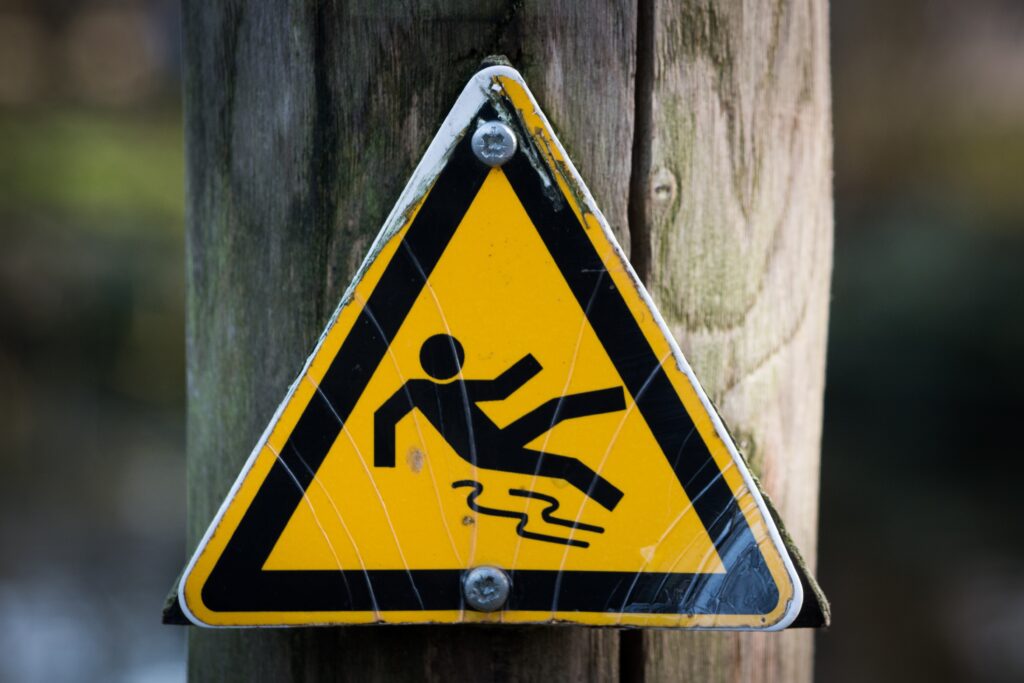
What Legal Standards Determine Property Owner Responsibility In A Slip-and-fall Accident In Florida?
In Florida, property owners can be held responsible if they knew or should have known about a hazardous condition that caused an injury. For scenarios involving transitory foreign substances like water or banana peels, the burden of proof is on the plaintiff to show that the property owner either knew about the hazard, should have discovered it, or the condition was foreseeable due to its regular occurrence.
What Hazardous Conditions Commonly Lead To Slip-And-Fall Claims In Florida?
Hazardous conditions in slip-and-fall claims can range from water and urine to poorly defined steps, hidden palettes, and optical illusions like non-differentiated floor surfaces. Building codes and safety regulations aim to prevent such hazards, and failure to adhere to these standards can make property owners liable for injuries.
Why Is Proving Notice Crucial In Slip-And-Fall Cases, And How Does It Impact Legal Responsibility?
Proving notice, whether the property owner knew or should have known about a hazard, is a critical element in slip-and-fall cases. If the property owner lacked notice of a hazardous condition, such as water on the floor for only a short period, they may not be held legally responsible for resulting injuries. Regularity of incidents can also impact the property owner’s liability.
How Do Surveillance Footage, Incident Reports, And Maintenance Records Influence The Strength Of Slip-and-fall Claims?
Surveillance footage, incident reports, and maintenance records play a significant role in slip-and-fall claims. They can provide crucial evidence of the hazard, show the severity of the fall, demonstrate notice or negligence on the part of the property owner, and help determine liability in court proceedings.
Why Do Insurance Companies Aggressively Challenge Slip-And-Fall Claims, And What Tactics Do They Use To Protect Their Financial Interests?
Insurance companies often challenge slip-and-fall claims aggressively to protect their financial interests. They may rely on legal statutes like the transitory foreign substances statute in Florida to dismiss cases quickly and save costs. Understanding these tactics and the laws governing slip-and-fall cases can help claimants navigate legal challenges effectively.
How Does Comparative Fault Impact Slip-And-Fall Cases, And What Recent Legal Changes Affect Negligence Assessment In Florida?
Comparative fault in slip-and-fall cases involves assessing the percentage of fault between the property owner and the injured person. Recent legal changes in Florida, moving to contributory negligence, can impact the outcome of cases significantly. If the plaintiff is found more than 50% at fault, they may receive no compensation, highlighting the complexity of negligence assessment in slip-and-fall claims.
What Factors Influence The Settlement Or Trial Trajectory Of Slip-And-Fall Cases, And Why Is Proving Notice Crucial For Case Resolution?
Factors influencing whether slip-and-fall cases settle or go to trial include the evidence of notice, the severity of the injury, and the willingness of insurance carriers to negotiate. Notice, proving that the property owner knew or should have known about the hazard, remains a key aspect in determining legal responsibility and potential case outcomes.
 Top
Top